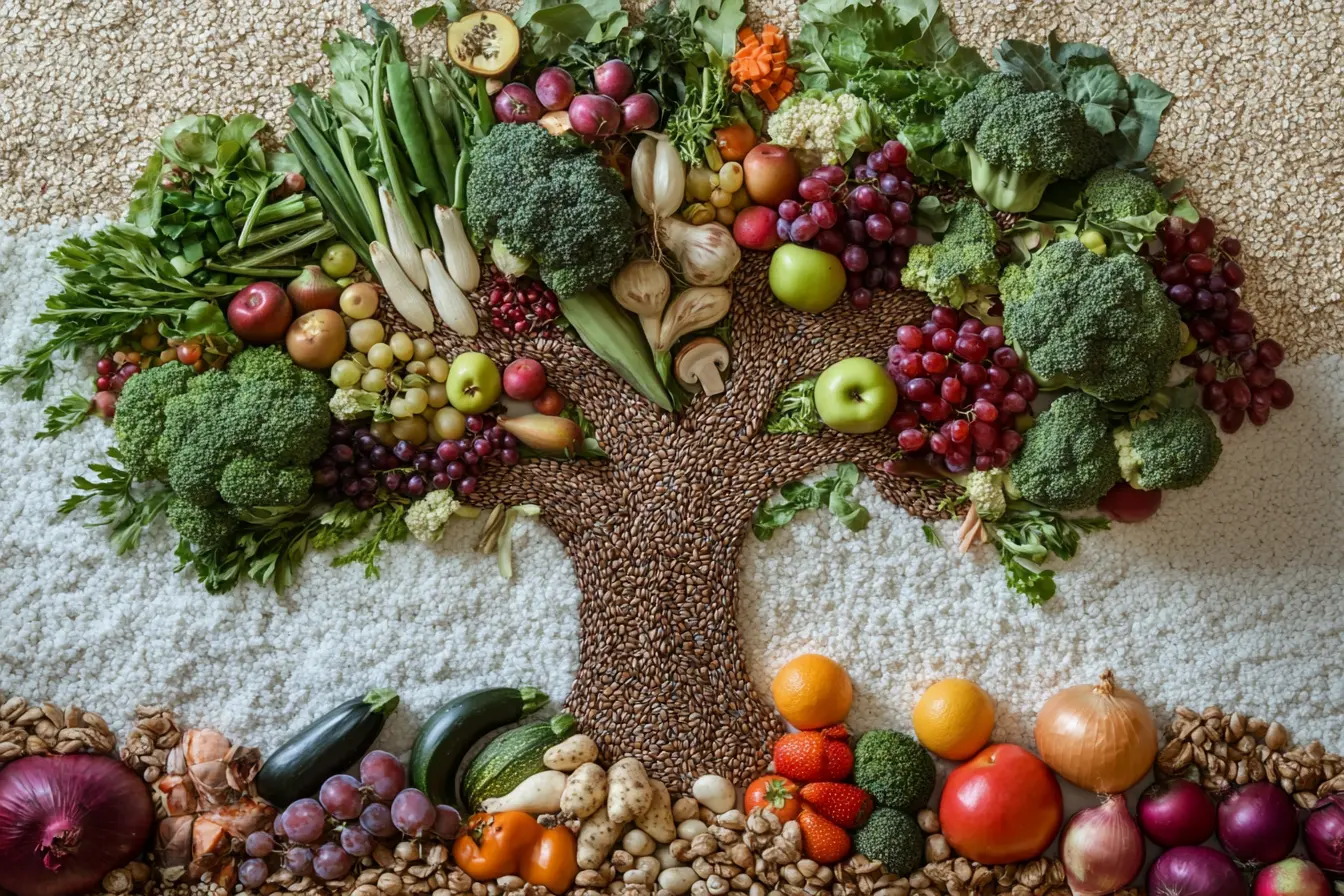
More Than a Gut Feeling
Most adults in the UK eat around 18g of fibre a day. The recommended amount is 30g. That gap is partly why I see patients with sluggish digestion, cholesterol that’s higher than it needs to be, and blood sugar that’s harder to manage. Fibre isn’t a supplement you take – it’s woven into the foods most of us aren’t eating enough of.
The fix is straightforward. Not easy in the sense that habits change overnight, but simple in the sense that you already know most of the foods involved.
What Fibre Actually Is
Fibre is a carbohydrate your body can’t digest. No enzymes for it. So it passes through your gut largely intact – and that’s precisely where it does its work.
Soluble vs Insoluble
There are two main types. Soluble fibre dissolves in water and forms a gel in the gut. This slows digestion, steadies blood sugar, and binds LDL cholesterol particles so they’re excreted rather than absorbed. Oats, lentils, apples, and flaxseed are the main sources. Insoluble fibre doesn’t dissolve – it bulks the stool and speeds transit through the bowel. Wholegrain bread, wheat bran, and most vegetables supply it.
You need both. A varied diet with plenty of plant foods gives you that balance without having to track each type separately.
The Health Benefits
Heart Health
The cardiovascular case for fibre is well established. Soluble fibre binds LDL cholesterol in the gut before it can be absorbed – oats are the most studied example, and the evidence for a meaningful LDL reduction is solid enough to feature in NICE cardiovascular risk guidance. High-fibre diets also tend to be rich in potassium, which supports blood pressure.
Bowel Cancer Risk
The link between fibre and bowel cancer is one of the more consistent findings in nutritional epidemiology. Two mechanisms are at play: fibre speeds transit, reducing contact time between potential carcinogens and the bowel lining; and when gut bacteria ferment fibre, they produce short-chain fatty acids that support colon lining integrity. Cancer Research UK lists low fibre intake as a modifiable bowel cancer risk factor. Worth knowing.
Blood Sugar and Type 2 Diabetes
For anyone managing type 2 diabetes, soluble fibre is useful. It slows glucose absorption and flattens the post-meal blood sugar curve. Pairing high-fibre carbohydrates with protein compounds the effect. Large cohort studies suggest people with the highest fibre intakes have lower rates of type 2 diabetes – though overall diet quality matters, not fibre in isolation.
Gut Microbiome
Fibre is prebiotic food for your gut bacteria. When they ferment it, they produce butyrate and other short-chain fatty acids with anti-inflammatory effects that extend well beyond the gut. A diverse microbiome needs diverse fibre sources – which is a good argument for eating a variety of plants rather than relying on a single supplement.
Where to Get It
You don’t need specialist products. Porridge oats, tinned lentils, frozen peas, wholemeal bread, a handful of walnuts, an apple with the skin on – all available in any UK supermarket, most of them cheap. The amounts add up faster than people expect.
Legumes are the best value going. A tin of chickpeas costs under a pound and delivers around 12g of fibre. Fruits give you soluble fibre – apples and pears are good sources, skin included. Wholegrains consistently outperform refined equivalents. Frozen vegetables count fully; the fibre content isn’t affected by freezing.
Getting Used to More Fibre
Going from 18g to 30g overnight is a bad idea. Increase over a few weeks and your gut bacteria adapt – bloating and wind are a normal part of that transition. Drink more water too. Fibre draws water into the gut; without enough fluid you can make constipation worse rather than better.
Convenience is the main barrier most patients mention. The practical fix is reducing friction: a bag of mixed seeds by the hob, wholemeal as the default bread, a tin of lentils in the cupboard. None of this requires planning. If you struggle to eat vegetables, frozen counts just as well as fresh.
How Much Do You Actually Need?
The British Nutrition Foundation recommends 30g per day for adults. So what does 30g actually look like? A bowl of porridge (~3g), two slices of wholemeal toast (4g), a portion of chickpeas (~7g), an apple (3g), and a serving of broccoli (2g) gets you to about 19g on an ordinary day. Getting to 30g means one or two deliberate extras – a handful of seeds, a tin of beans at dinner.
Five practical starting points:
- Start the day with oats or a high-fibre cereal (Weetabix, Shredded Wheat) rather than white toast.
- Fill half your plate with vegetables at main meals – variety matters more than volume of one type.
- Swap white bread, pasta, and rice for wholegrain versions.
- Add a tin of beans or lentils to one meal a week, then build from there.
- Snack on fruit with the skin on, or a small handful of nuts, rather than crisps or biscuits.
The Bottom Line
Fibre doesn’t have a marketing budget. No brand behind it, no supplement company running ads. It’s mostly oats, beans, vegetables, and fruit – foods that also happen to be cheap, filling, and good for several other aspects of health at once. The evidence base is consistent across cardiovascular disease, bowel cancer, blood sugar control, and gut health. That’s unusual in nutrition. So when patients ask me what single dietary change makes the broadest difference – this is the answer I give.
FAQs
What’s the difference between soluble and insoluble fibre?
Soluble fibre dissolves in water, slowing digestion and lowering cholesterol. Insoluble fibre doesn’t dissolve – it adds bulk and speeds transit. Most plant foods contain both types, so a varied diet covers you without needing to track them separately.
Can fibre help with weight loss?
It helps with appetite. High-fibre foods are more filling, which tends to reduce overall calorie intake over time. But fibre alone doesn’t drive weight loss – it works best as part of a diet with fewer processed foods overall.
How do I know if I’m getting enough fibre?
Regular, comfortable bowel movements are a reasonable indicator. Persistent constipation often points to low fibre or low fluid intake. Tracking a typical day against the 30g target is a useful one-off exercise to see where the gaps are.
What should I do if increasing fibre causes bloating?
Go slower. Add one high-fibre food at a time rather than overhauling everything at once, and drink more water. The discomfort usually settles within a few weeks as gut bacteria adjust. If it doesn’t, mention it to your GP.
Should I take a fibre supplement?
Whole food sources are better – they provide a wider range of fibre types along with other nutrients. Supplements have a role if you can’t meet your needs through diet, but worth discussing with your GP first.