The Food Environment Puzzle
A lot of my patients tell me they want to eat better. They have the intention. Then real life gets in the way: the chip shop on the walk home, the meal deal that costs half what the salad does, the nearest decent supermarket two bus stops away. Willpower doesn’t fix any of that. The food environment does.
The term sounds academic (foodscape, nutritional environment, food ecosystem), but the concept is simple. The mix of food options around you, their cost, how they’re marketed, and how easy they are to reach all shape your choices before you’ve thought about what you want. I noticed this working between Northwest England and Doha, Qatar. The specifics differed a great deal, but the pattern was the same: the environment shapes your choices, and most of the time you don’t realise it.
What Exactly is a Food Environment?
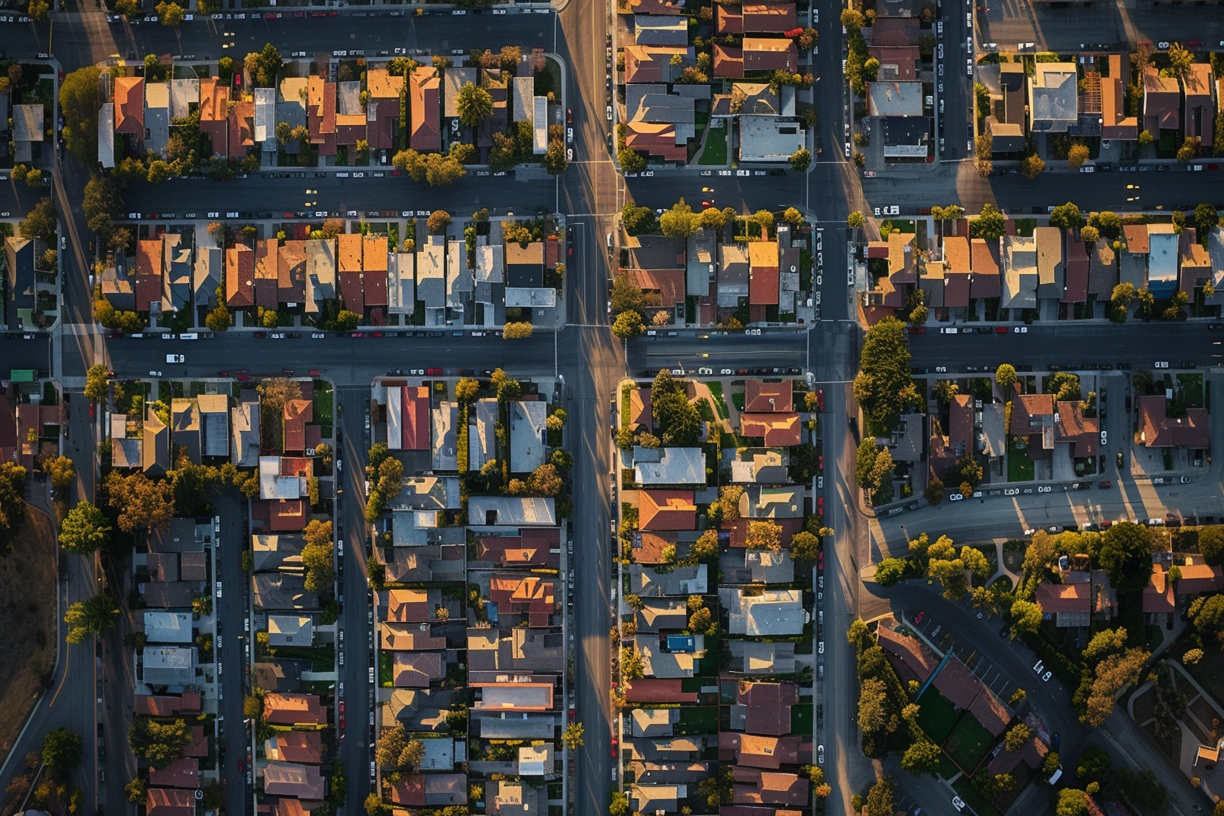
Your foodscape covers everything: where food is grown, sold, and eaten, and how each of those settings shapes your options. The corner shop, the vending machine at work, the school canteen, the price difference between fresh and frozen, the crisps at eye level and the apples near the exit. All of it counts.
In Doha, the variety was striking: cuisines from across the world at every turn. But healthier options came at a price. The easiest and cheapest choices were almost always the least nutritious. Back in parts of Northwest England, in the less affluent areas, the gap looks different but follows the same logic: fresh produce is scarce and expensive, while fast-food outlets and processed food fill the shelves.
Two different countries, one pattern. The environment doesn’t make choices for you, but it shapes what’s easy.
Try this: Walk a stretch of your local high street as a rough audit. Count food outlets selling fresh produce versus those selling fast food. Note the prices. A useful way to see what your environment is offering.
How Does Your Food Environment Influence Your Waistline?
The link between food environments and obesity is well-established. People in areas with poor access to fresh food (often called food deserts) have higher rates of obesity and related conditions. Does that mean eating well in a food desert is impossible? No. But the effort required is much greater, and that matters.
I think about a patient from a few years ago: a father working long hours, trying to feed his family well on a tight budget, in an area where the nearest proper supermarket was a twenty-minute drive. The corner shops nearby stocked processed food. He wasn’t making bad choices out of laziness. He was making the best choices his environment allowed.
The effect is sharper in children. Growing up surrounded by fast food and without reliable access to fresh produce raises the likelihood of excess weight, and children carry those patterns into adulthood.
Worth doing: Map your local food environment. Find the nearest fresh produce, the nearest fast food, the prices at each. Local markets and community food co-ops exist in more areas than people realise and are worth tracking down.
Taking Control of Your Food Environment
You can’t always change what shops exist near you. But you can do a lot within the environment you have.
- Plan your shop in advance: Write a list before you go, before you’re hungry. Vague intentions to “buy something healthy” don’t survive the meal deal aisle.
- Cook from scratch more: Not every night, but more nights. You control what goes in, and it costs less than the alternatives.
- Grow something small: A pot of herbs on the windowsill won’t transform your diet, but fresh food in your sightline does something.
- Question food labels: Food marketers design packaging to make things sound healthier than they are. “Low fat” usually means something else has replaced it. Understanding what’s in your food is more useful than following trends.
- Reorganise your kitchen: Keep fruit and vegetables visible. Put biscuits somewhere inconvenient. Placement influences what you reach for. Your kitchen can nudge you the same way a supermarket does.
One change worth making: Pick a time each week to prep a few lunches in advance. It removes a lot of weekday decisions that otherwise default to the nearest sandwich shop.
Your Role in the Food Environment Revolution
The food environment isn’t fixed. Buying from local markets, supporting community food initiatives, and pushing back on food marketing near schools all shift demand over time. Policy changes follow when enough people make consistent choices and advocate for them.
That said, individual action has limits. The structural barriers are real: not everyone can afford to shop at a farmers’ market or live within walking distance of a decent supermarket. Fixing food environments requires planning policy, pricing intervention, and sustained investment in areas that have gone without for decades. Working within your environment is a reasonable start. The structural fixes need to come too.
FAQs
What is a ‘food environment’?
A food environment covers all the physical and social factors that influence your food choices: what’s available near you, how affordable it is, how it’s marketed, and how easy it is to access. It’s the context in which every food decision gets made.
How does the food environment affect obesity?
Areas with limited access to fresh, affordable food have higher obesity rates. When the only cheap and convenient options are processed or fast food, that shapes what people eat over time. The environment makes certain choices easier than others. That’s what drives it.
What are ‘food deserts’?
Food deserts are areas, often in lower-income communities, where affordable fresh produce and whole foods are hard to find. Fast food and convenience stores fill the gap. Residents face structurally harder choices around healthy eating as a result.
Can individual choices impact the food environment?
Yes, though the effect is gradual. Consistent demand for healthier options influences what retailers stock. Buying from local markets, engaging with food co-ops, and raising concerns through local councils all contribute. No single person transforms their food environment, but collective pressure does work.
What role do communities play in the food environment?
Communities have driven real change through local food markets, community gardens, and pressure on councils for better food access. The most effective efforts tend to involve local anchor institutions: schools, GP practices, community centres.
How can public policies improve the food environment?
Planning decisions that limit fast food outlets near schools, subsidies for fresh produce in underserved areas, restrictions on food marketing aimed at children, and investment in community food infrastructure all make a measurable difference. The evidence for policy-level interventions is stronger than for individual-level advice alone.
What innovations are creating healthier food environments?
Urban farming, community food hubs, apps that map local fresh food sources, and improved school food programmes are all shifting what’s possible. The most promising aren’t high-tech: they’re models where communities take more direct control over local food supply.
How do I assess my local food environment?
Walk your local area and notice the ratio of fresh food outlets to fast food. Check prices for equivalent items. Look up whether there’s a local market, food co-op, or community garden nearby. An honest look at what’s available, and at what cost, is the best starting point.